

Gum Grafts in Boston
Reversing Gum Recession and Protecting Your Teeth
What Is a Gum Graft?
Restoring gum tissue to cover exposed roots and protect teeth from further loss.
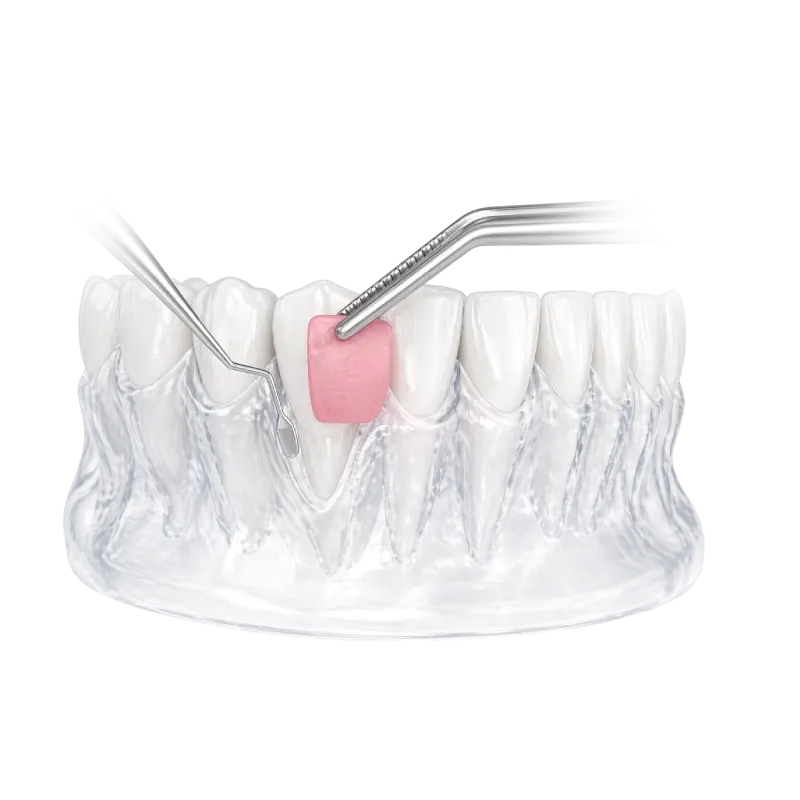
Gum recession exposes the roots of your teeth, causing sensitivity, increasing cavity risk, and leading to progressive bone loss. A gum graft transplants tissue to cover the exposed root and rebuild the gum line.
Gum grafts are a core surgical procedure of our implant-centered practice. Dr. Fedorenko and Dr. Ford perform them in-house at our Lexington office using techniques matched to your specific recession pattern, including connective tissue grafts, pinhole surgical technique, and free gingival grafts.
Why Gum Grafts Matter
- Reduces root sensitivity | Covers exposed root surface, easing hot/cold sensitivity.
- Prevents further recession | Restores a proper gum seal around each tooth.
- Protects against decay | Root surfaces decay faster than enamel — grafts cover them.
- Preserves bone | Gum loss leads to underlying bone loss — grafting halts the cascade.
- Improves aesthetics | Restores a more natural gum line, especially on front teeth.
- In-house surgical care | Gum surgery is a core focus of our implant-centered practice — performed in-house by Dr. Fedorenko and Dr. Ford.
Who Needs a Gum Graft?
Visible root exposure
Teeth look 'long' — gums have receded and roots are showing.
Root sensitivity
Sharp pain to cold drinks, air, or brushing.
Thin or absent attached gum
Gums are fragile and prone to ongoing recession.
Before orthodontic work
Protects against recession that tooth movement can cause.
Cosmetic concern
Uneven gum line, especially on front teeth.
After gum disease treatment
Rebuilding gum tissue after active gum disease is controlled.
Why Metro Dental for Your Gum Graft
In-house surgical care
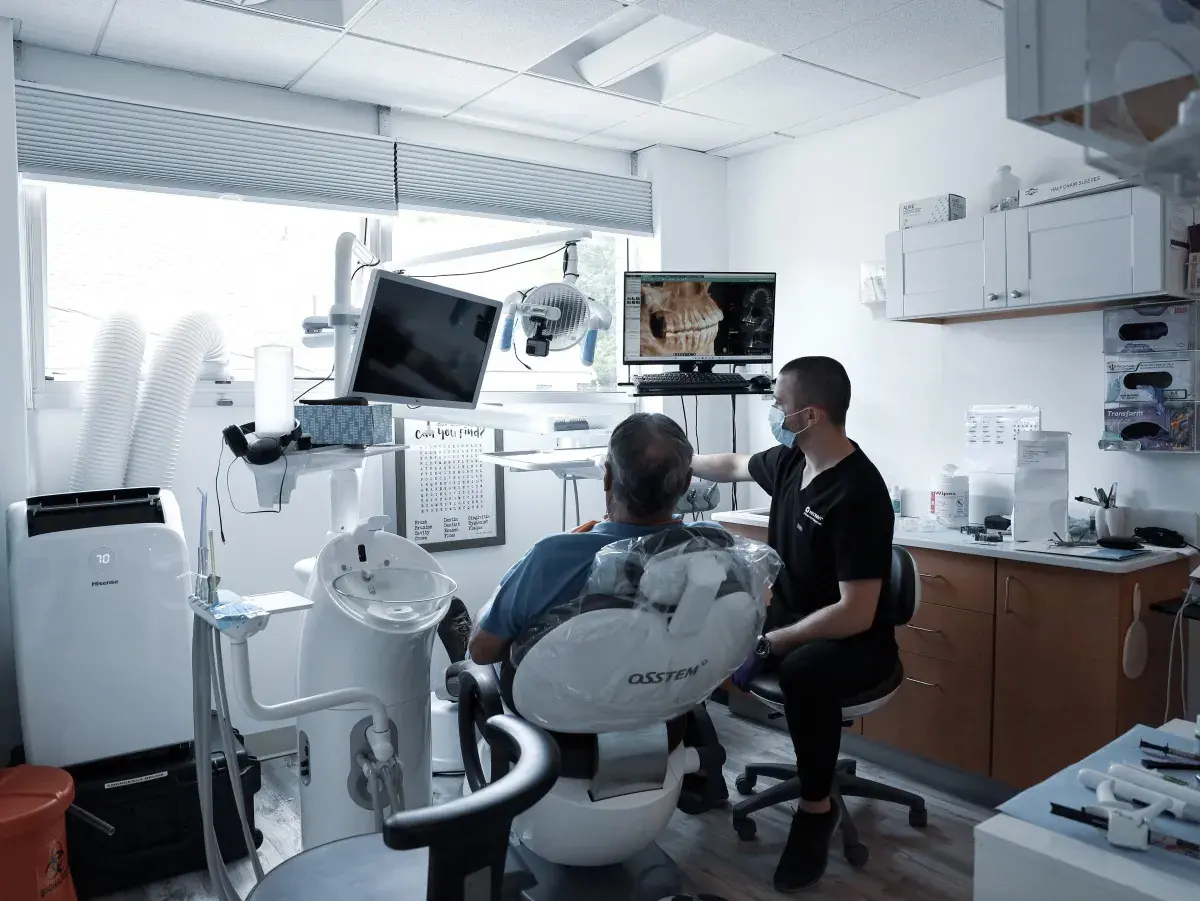
Gum surgery is a core focus of our practice, performed in-house by Dr. Fedorenko and Dr. Ford — with advanced surgical training.
Multiple techniques
Connective tissue graft, free gingival graft, pinhole — matched to your pattern.
Integrated with other care
If grafts are part of implant prep or smile makeover, everything is coordinated.
Same-office follow-up
Your treating doctor — Dr. Fedorenko or Dr. Ford — sees you through every post-op visit.
Your Gum Graft Treatment
Consultation & Evaluation
Exam, imaging, and diagnosis of recession type and extent.
Grafting Surgery
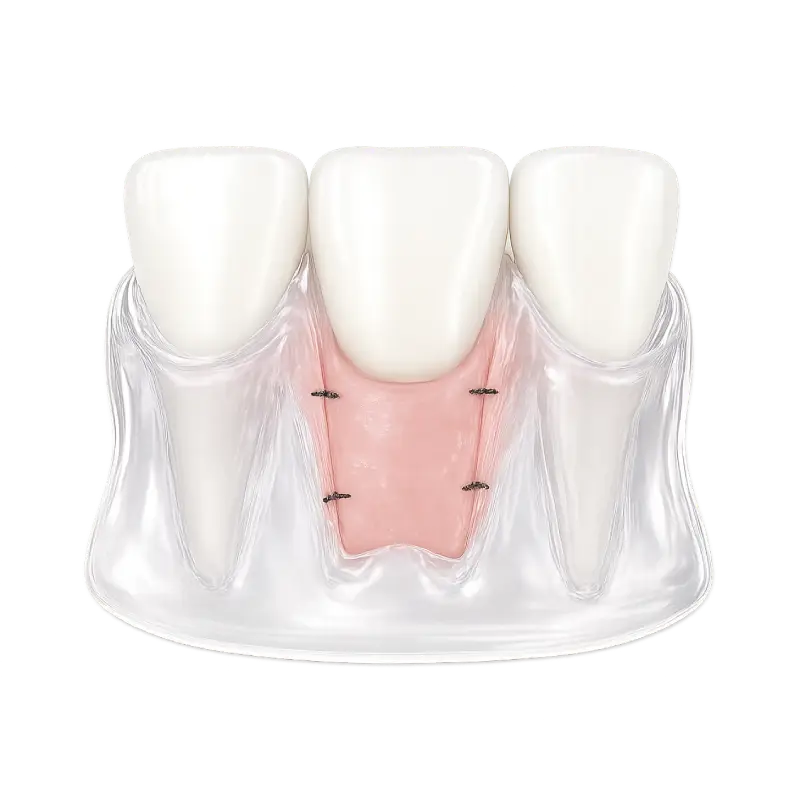
Tissue harvested (from palate or donor source) and grafted to the receded site. Under local anesthesia.
Initial Healing
1–2 weeks for soft tissue to heal. Soft-food diet and gentle brushing during this period.
Long-Term Integration
3–6 months for full maturation of the new gum tissue.
Answers About Gum Grafts
Surgery is under local anesthesia — not painful during. Soreness for 3–7 days is typical, managed with OTC pain relievers.
1–2 weeks for initial healing; 3–6 months for full tissue integration.
Most often from the roof of your own mouth (palate) for a connective tissue graft. Donor tissue is also available in some cases.
Depends on the number of sites and technique. You receive a written estimate at consultation.
Often yes, at least partially, when the graft is medically necessary (active recession, sensitivity). We accept Blue Cross Blue Shield of Massachusetts (Indemnity) and Delta Dental (Premier) directly; for other carriers we submit claims on your behalf.
Rarely if the underlying cause is addressed (aggressive brushing, bite issue, gum disease). We manage all three in-house.
A minimally invasive approach that uses a small entry point (no scalpel, no sutures) to reposition existing gum tissue. Suitable for select cases.
Reverse Recession, Protect Your Teeth
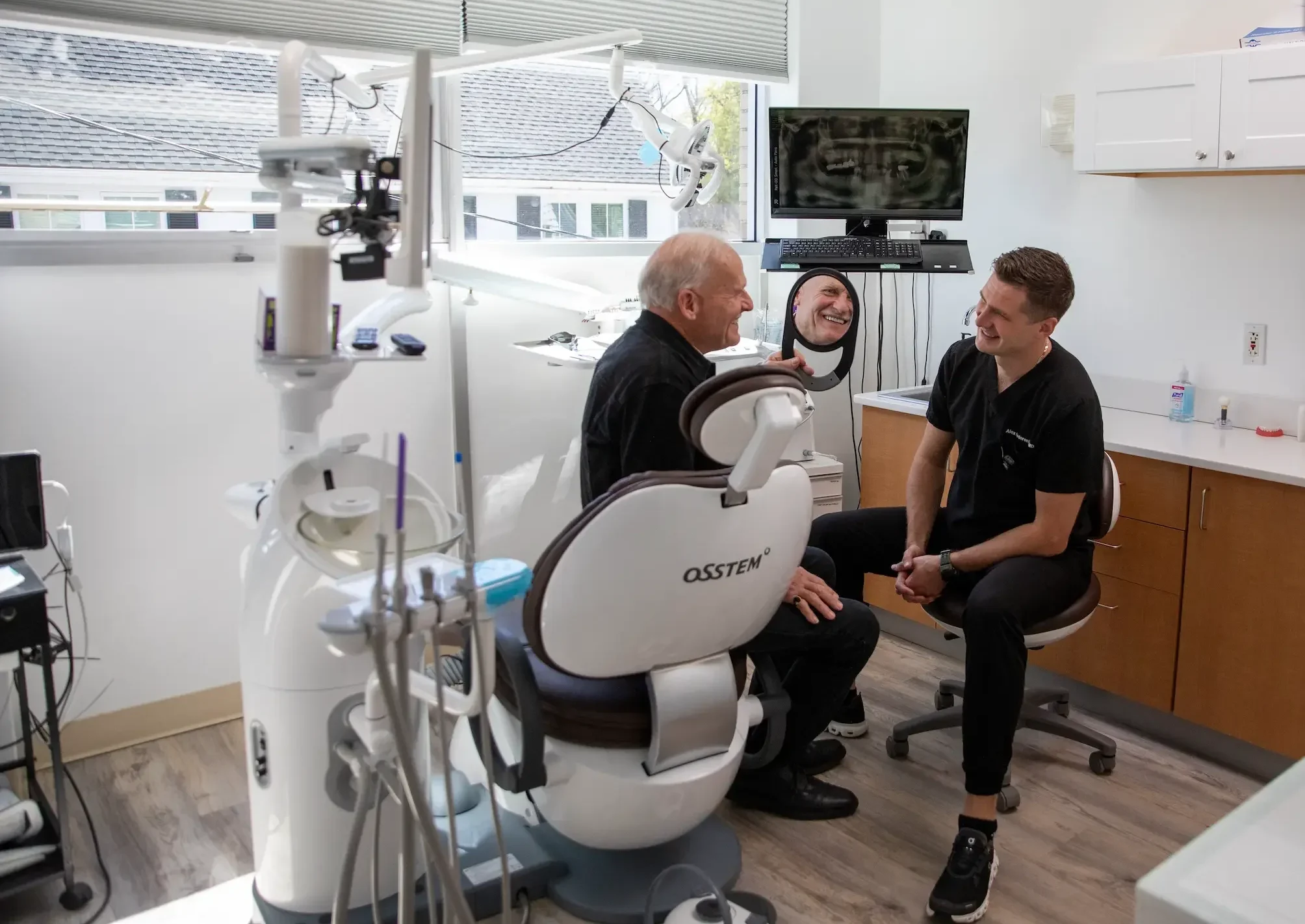
Gum grafts stop recession from costing you teeth. Performed in-house by Dr. Fedorenko and Dr. Ford, who will match the right technique to your specific pattern and handle post-op personally.
Thank you — our Lexington team will reach out within one business day.